


www.EducationDx.com
This is a FREE information site!
Part of EdDx Educational Series
Part of EdDx Educational Series


Hormones, Neurotransmitters and SAD

EducationDx
© 2016, 2026
© 2016, 2026

(continued)
Biologicial--Biochemical Abnormalities
Hormones and Neurotransmitters
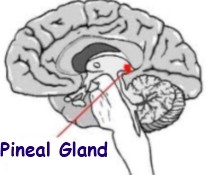
Specific brain chemicals and neural pathways are responsible for regulating mood and related behaviors. The pineal gland (an endocrine gland) helps accomplished this function by producing several important hormones including melatonin and serotonin. As daylight hours shorten during the winter months, melatonin and serotonin production is affected, and this may affect mood and sleep patterns.

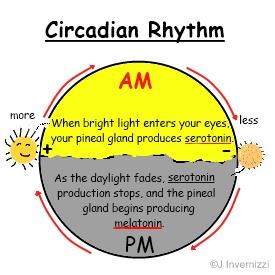
During the winter, with shorter daylight hours and longer nighttime hours, the secretion of
Experts do not fully understand why SAD affects some people more than SAD affects others. Some people may be more sensitive to variations in light, and this may cause significant changes in hormone production. Other genetic variables, e.g., a photopigment gene in the eye, may play a role in causing SAD.
serotonin
andmelatonin
become unbalanced. Sunlight triggers serotonin, and the quantities decrease, as the daylight hours become shorter. Darkness triggers melatonin production, and the chemical is secreted in larger quantities as the nighttime hours become longer. This causes a chemical imbalance and a decreased ability to battle SAD. When spring returns and daylight increases, people with SAD experience relief from their symptoms, and return to their usual mood and energy level.Experts do not fully understand why SAD affects some people more than SAD affects others. Some people may be more sensitive to variations in light, and this may cause significant changes in hormone production. Other genetic variables, e.g., a photopigment gene in the eye, may play a role in causing SAD.
What happens during the winter months?

Serotonin=Day
Melatonin=Night
Melatonin=Night
Pineal Gland
Treatment for SAD







www.EducationDx.com
Note: Larger computer screens will show larger materials!
This is a FREE information site!

Hormones, Neurotransmitter, and SAD

Biologicial--Biochemical Abnormalities
Hormones and Neurotransmitters
Specific brain chemicals and neural pathways are responsible for regulating mood and related behaviors. The pineal gland (an endocrine gland) helps accomplished this function by producing several important hormones including melatonin and serotonin. As daylight hours shorten during the winter months, melatonin and serotonin production is affected, and this may affect mood and sleep patterns.
Hormones and Neurotransmitters
Specific brain chemicals and neural pathways are responsible for regulating mood and related behaviors. The pineal gland (an endocrine gland) helps accomplished this function by producing several important hormones including melatonin and serotonin. As daylight hours shorten during the winter months, melatonin and serotonin production is affected, and this may affect mood and sleep patterns.

Pineal Gland

Serotonin=Day
Melatonin=Night
Melatonin=Night
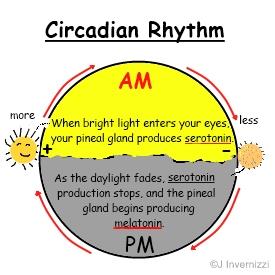
Melatonin (Amazon Link) is a hormone that has many purposes including being part of the system that regulates the circadian rhythm.
Serotonin
(Amazon Link) (the precursor to melatonin) is a neurotransmitter that regulates mood, appetite and cognitive functions. Serotonin and melatonin have opposite functions with serotonin stimulating us during the day and melatonin inducing sleep at night.
What happens during the winter months?
During the winter, with shorter daylight hours and longer nighttime hours, the secretion of
Experts do not fully understand why SAD affects some people more than SAD affects others. Some people may be more sensitive to variations in light, and this may cause significant changes in hormone production. Other genetic variables, e.g., a photopigment gene in the eye, may play a role in causing SAD.
serotonin
andmelatonin
become unbalanced. Sunlight triggers serotonin, and the quantities decrease, as the daylight hours become shorter. Darkness triggers melatonin production, and the chemical is secreted in larger quantities as the nighttime hours become longer. This causes a chemical imbalance and a decreased ability to battle SAD. When spring returns and daylight increases, people with SAD experience relief from their symptoms, and return to their usual mood and energy level.Experts do not fully understand why SAD affects some people more than SAD affects others. Some people may be more sensitive to variations in light, and this may cause significant changes in hormone production. Other genetic variables, e.g., a photopigment gene in the eye, may play a role in causing SAD.
Treatment for SAD

Disclosure:
Some links on this website are associate links and are used to provide a reference or to help illustrate what an item looks like, and you can decide if you want to just look or purchase the item. "As an Amazon Associate, I earn from qualifying purchases." We receive a small commission (that helps support this website) if you actually purchase from this company, but the price to you remains the same.
You can hover over any link to see if it is an Amazon link, if this matters, or a link to a page on this website or to a reference page, e.g., Smithsonian Institution, bookmark on this website, etc.
Some links on this website are associate links and are used to provide a reference or to help illustrate what an item looks like, and you can decide if you want to just look or purchase the item. "As an Amazon Associate, I earn from qualifying purchases." We receive a small commission (that helps support this website) if you actually purchase from this company, but the price to you remains the same.
You can hover over any link to see if it is an Amazon link, if this matters, or a link to a page on this website or to a reference page, e.g., Smithsonian Institution, bookmark on this website, etc.

*Disclosure: Some links on this website are associate links and are used to provide a reference or to help illustrate what an item looks like, and you can decide if you want to just look or purchase the item. "As an Amazon Associate, I earn from qualifying purchases." We receive a small commission (that helps support this website) if you actually purchase from this company, but the price to you remains the same.
You can hover over any link to see if it is an Amazon link, if this matters, or a link to a page on this website or to a reference page, e.g., Smithsonian Institution, bookmark on this website, etc.
You can hover over any link to see if it is an Amazon link, if this matters, or a link to a page on this website or to a reference page, e.g., Smithsonian Institution, bookmark on this website, etc.
EducationDx
©2016, 2026
©2016, 2026

Melatonin (Amazon Link) is a hormone that has many purposes including being part of the system that regulates the circadian rhythm.
Serotonin
(Amazon Link) (the precursor to melatonin) is a neurotransmitter that regulates mood, appetite and cognitive functions. Serotonin and melatonin have opposite functions with serotonin stimulating us during the day and melatonin inducing sleep at night.
Sponsored Link
Sponsored Link
